Why and how to manage white-tailed deer
New York State and much of the Eastern United States has an overabundant white-tailed deer population. See Pollinate HV’s page on the Hudson Valley Deer Crisis for an excellent primer.
“Deer eat certain native plants and tree seedlings, often leaving behind just a few unpalatable natives and many non-native invasives. These stressors, along with increasingly frequent disturbances brought on by climate change, like droughts, extreme weather events, and pest outbreaks, reduce overall forest resilience. They are pushing forests towards becoming invasive shrub thickets and better habitat for disease-carrying ticks.”
– Eastern Parks Reduce Herds to Benefit Forests, Deer and People
Further Reading:
- Where have all the flowers gone? A call for federal leadership in deer management in the United States
- Overabundant deer and invasive plants drive widespread regeneration debt in eastern United States national parks
- Management Plan for White-Tailed Deer in New York State, 2021–2030 (PDF)
- A regional assessment of white-tailed deer effects on plant invasion
- Protecting Forest Health: Deer Exclosures
- Forest Defense: Hunting for a Better Future
- 4 Strategies for Talking to Non-Hunters About Deer Hunting
Resources:
Wintertime Management:
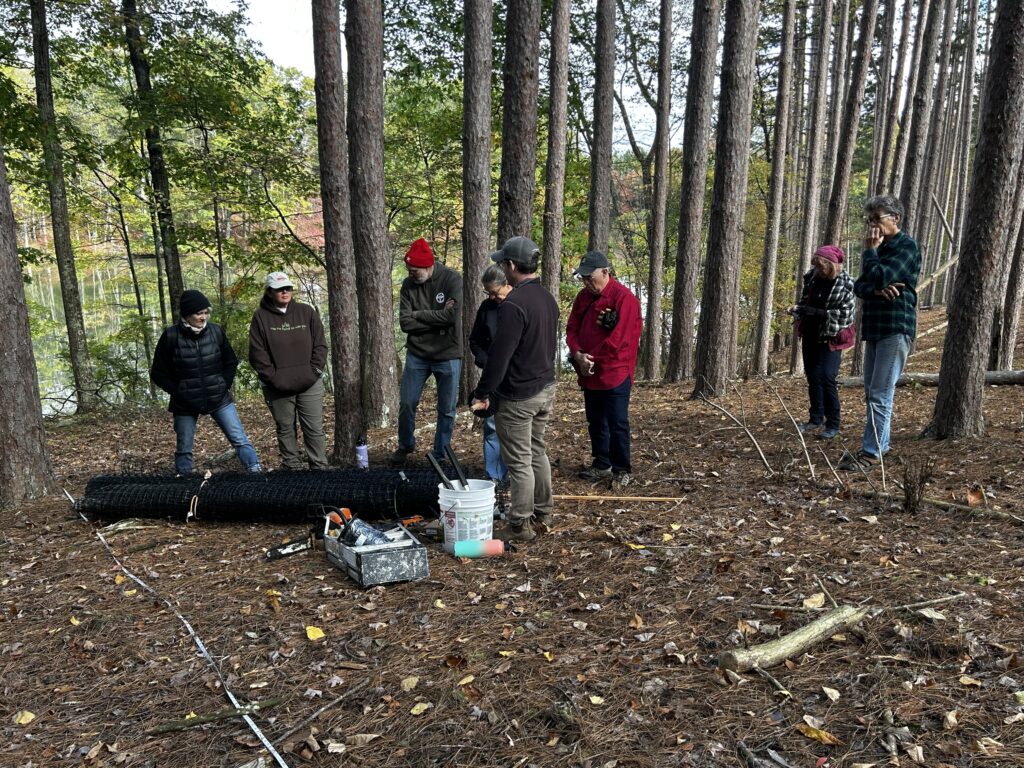
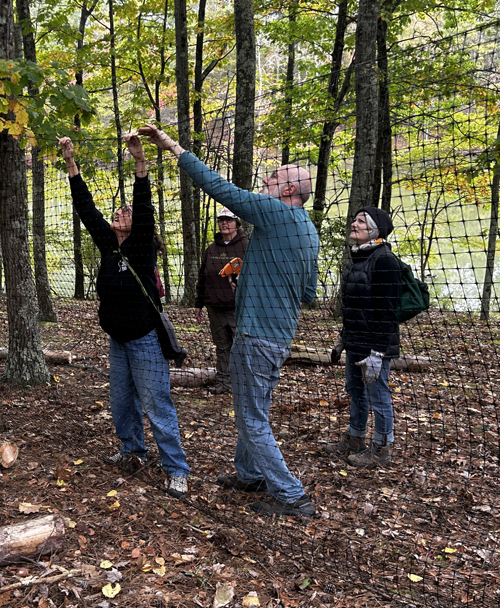
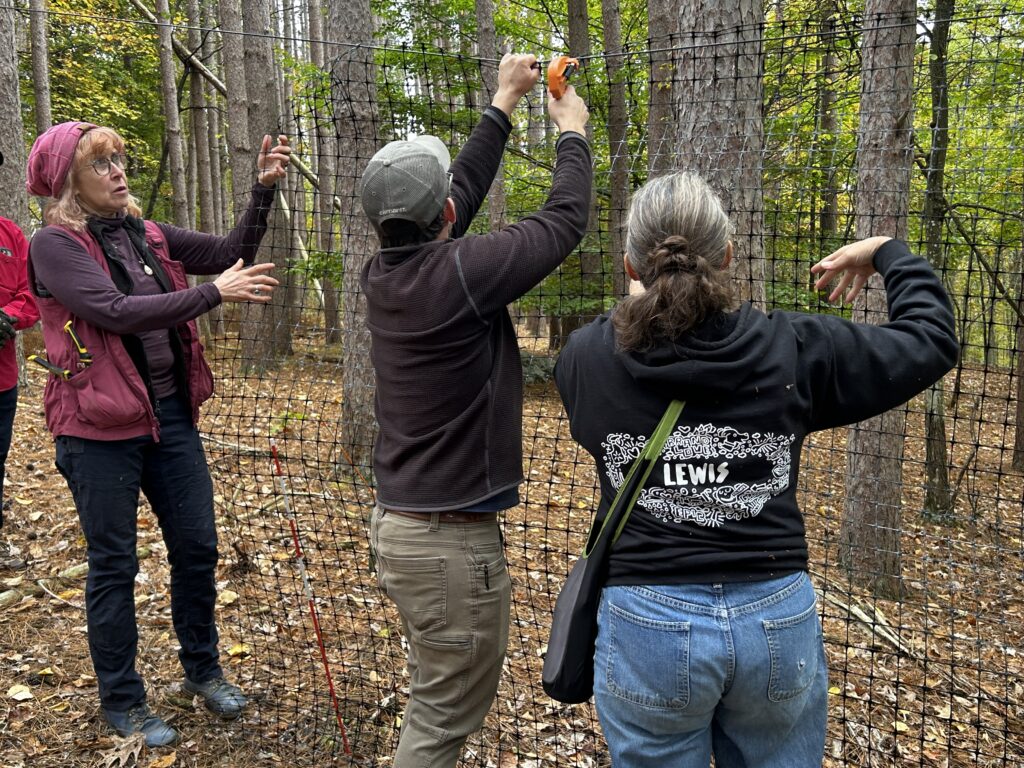
Wild Ones Mid-Hudson Valley held two deer management events in October 2025:
- Hooves & Havoc: The Deer Crisis Threatening NY Forests, Oct. 4, 2025
- Deer Exclosure Workshop, Oct. 11, 2025
Updated 6/3/26