From Lawn to Habitat: How I Transformed Half an Acre into a Wildlife-Friendly Garden
by Alexandra Lotero Vanderkam
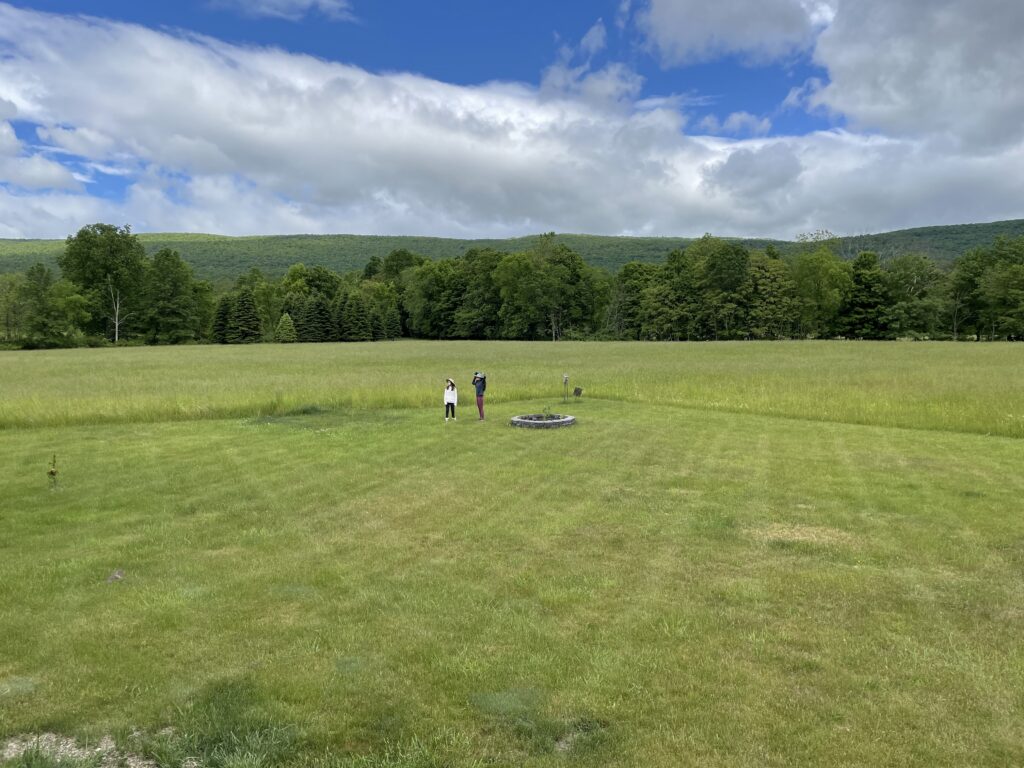
When my spouse and I bought our home in the Hudson Valley in 2021, we inherited nearly two acres of lawn.
Some of it served a purpose. We enjoyed having open space for walks, gatherings, and the occasional game of frisbee. But much of it felt empty. Looking back, I can tell how little I engaged with those areas because I have very few photographs of them. They were simply stretches of grass that got mowed and rarely thought about.
Today, the landscape around our house looks very different.
Over the past several years, I have gradually transformed roughly half an acre surrounding the house into a series of connected habitats: a woodland garden, a hedgerow, a wildlife pond, and a native meadow. Along the way, I planted more than 800 perennials and over 140 trees and shrubs, mostly as inexpensive landscape plugs and bare-root seedlings.
The transformation didn’t happen all at once. It started with a single garden bed.
Starting Small: The Entryway Garden
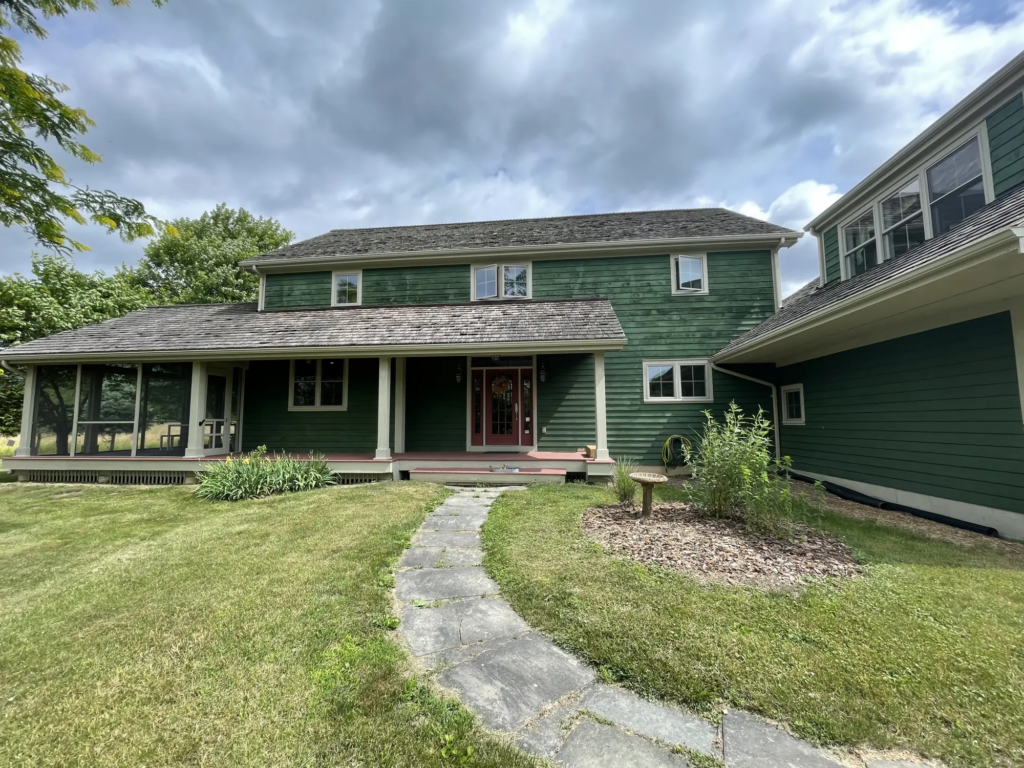
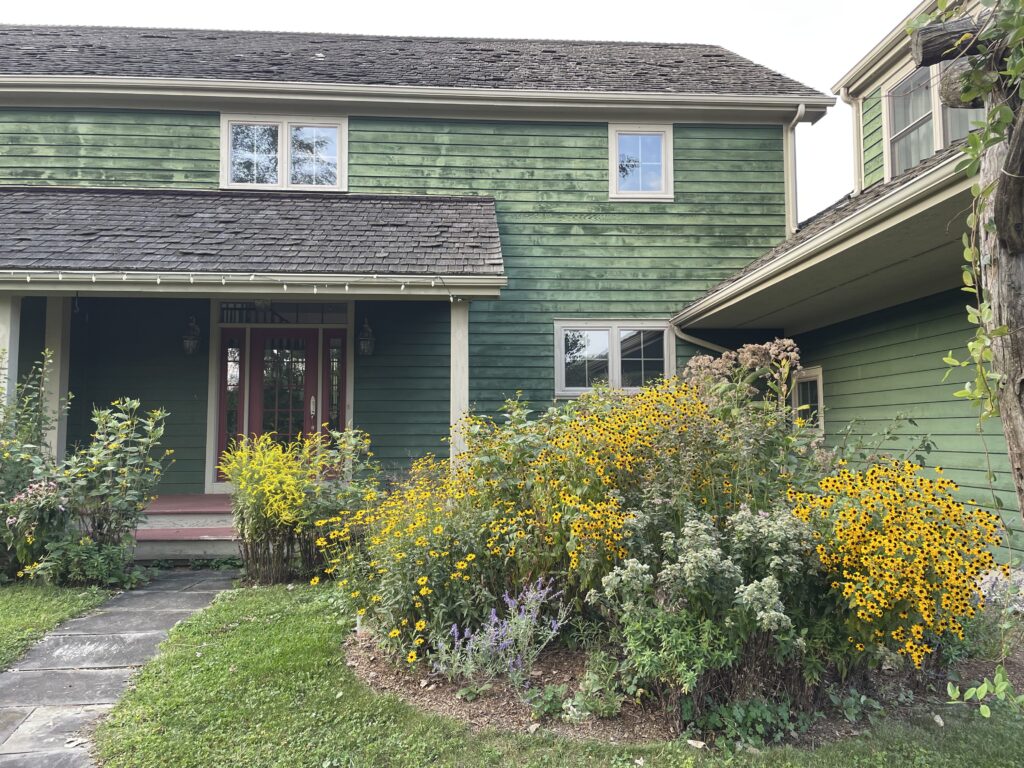
The garden by our front door contained only a handful of plants when we moved in. In fact, mulch was the most noticeable feature.
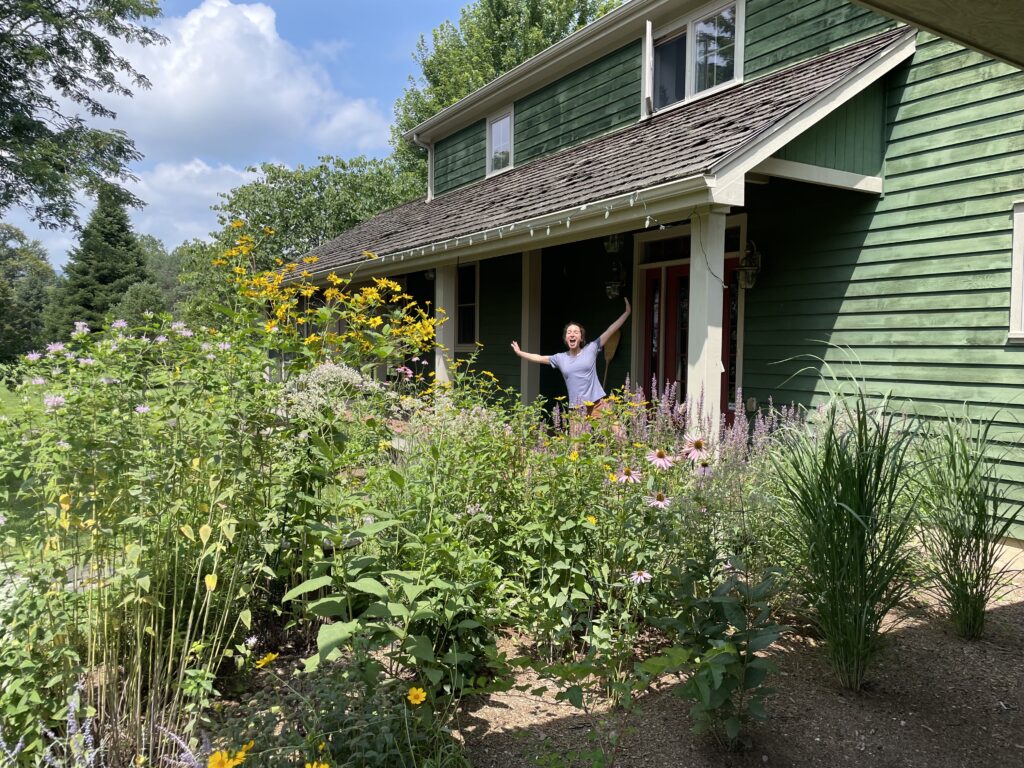
I began adding plants almost at random—whatever I found at local nurseries, Wild Ones plant sales, or native plant vendors. One year I added a Wild Bergamot. Another year I planted Mountain Mint and Ox-Eye Sunflowers.
As I spent more time observing the garden, I started noticing gaps in the bloom season. Spring felt sparse. Fall lacked color. Gradually I became more intentional, adding species that extended the display and supported pollinators throughout the growing season.
Within a few years, the garden had transformed from a mulch-heavy foundation bed into a vibrant tapestry of flowers buzzing with life.
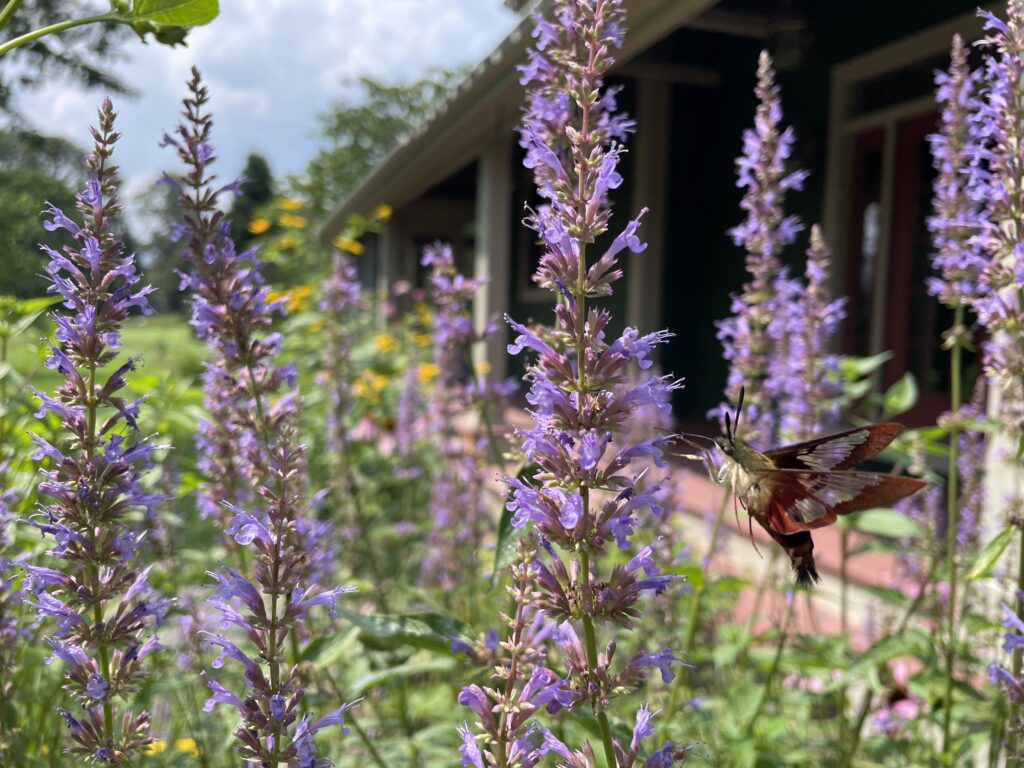
One of my favorite moments came when I spotted a Hummingbird Clearwing Moth – an insect I hadn’t even heard of before, let alone seen up close! – visiting a Purple Giant Hyssop. That observation convinced me that native plants could dramatically increase the amount of wildlife I experienced right outside my door.
Bringing the Garden Closer to Home
Encouraged by that success, I expanded my plantings around the back deck.
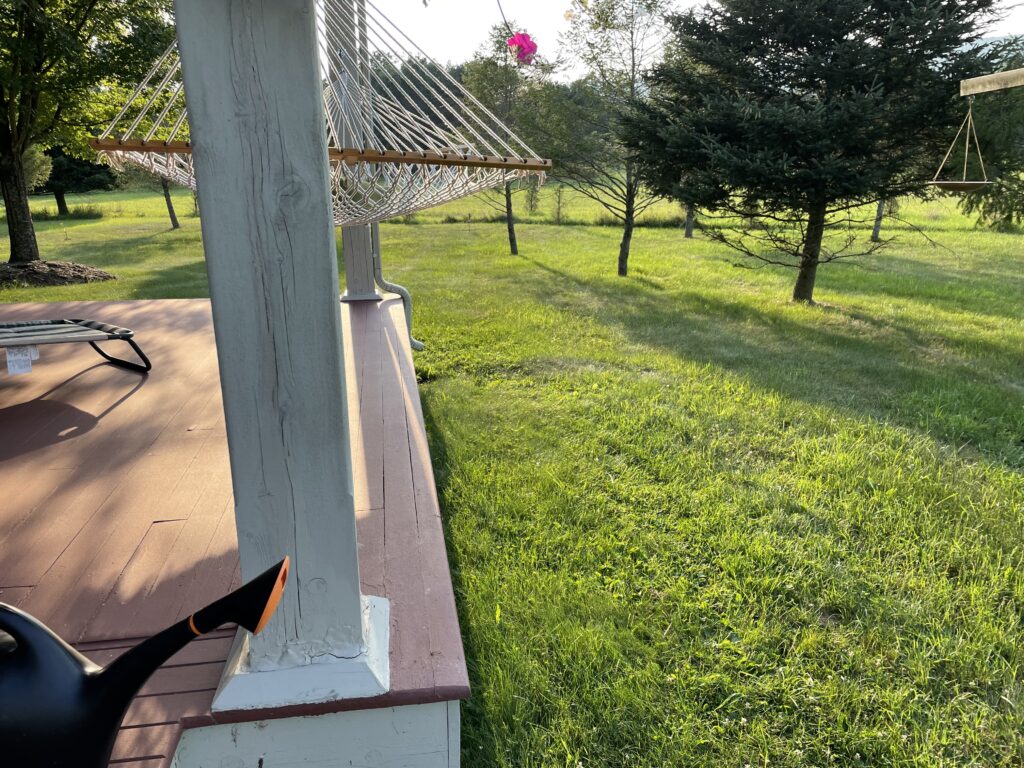
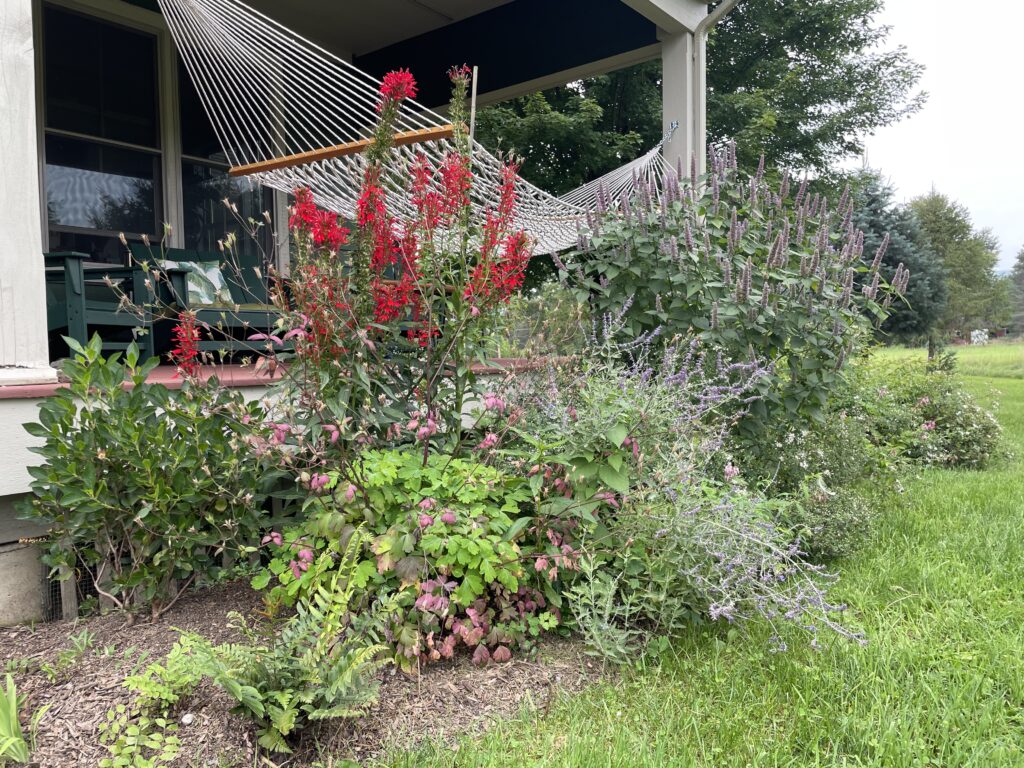
This area became one of the most rewarding projects because it directly changed how we experience our outdoor living space. Instead of looking out over an empty lawn, we now relax among hummingbirds, bumblebees visiting the Cardinal Flowers and Anise Hyssop.
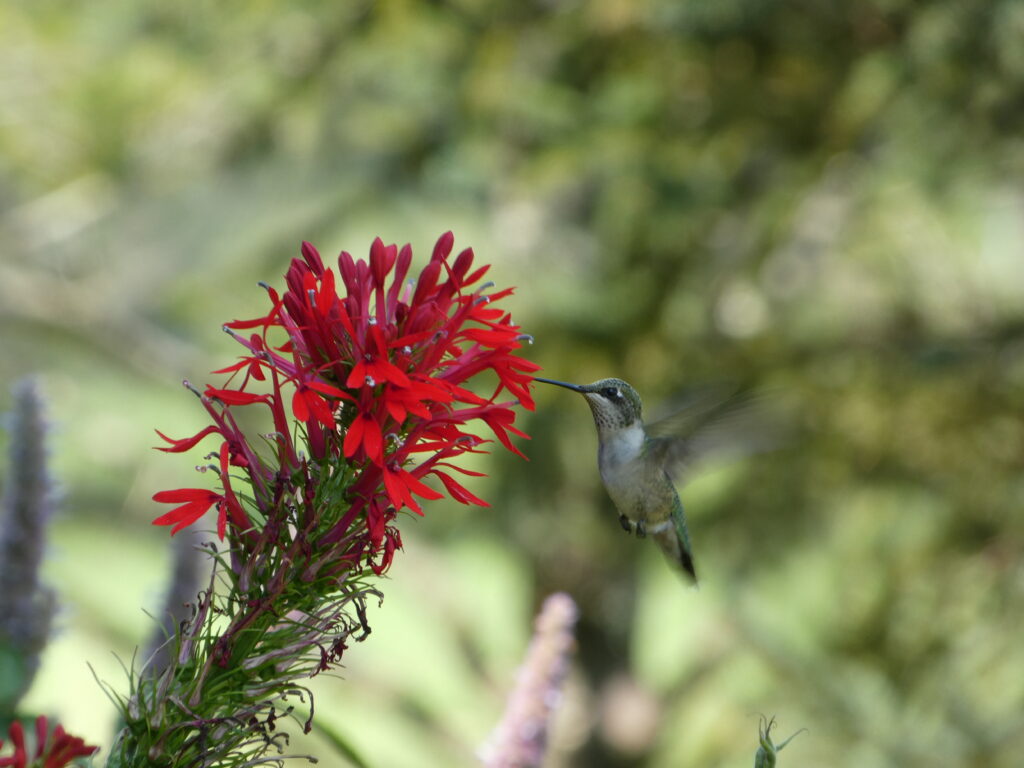
The transformation happened surprisingly quickly. Within just a few seasons, afternoons in the hammock became accompanied by the constant hum of pollinators and flashes of movement from birds visiting the flowers.
Creating a Woodland Garden
A few mature trees stand throughout our property, but like in countless suburban and rural landscapes, they towered over a sea of lawn.
Ecologically, that’s a problem.
Many butterflies, moths, fireflies, and other insects depend on leaf litter to complete their life cycles. Some caterpillars drop with autumn leaves and spend the winter hiding in those leaves beneath their host trees. A lawn provides very little of that habitat.
To create a “soft landing” for these insects, I converted the lawn beneath several trees into a woodland garden.
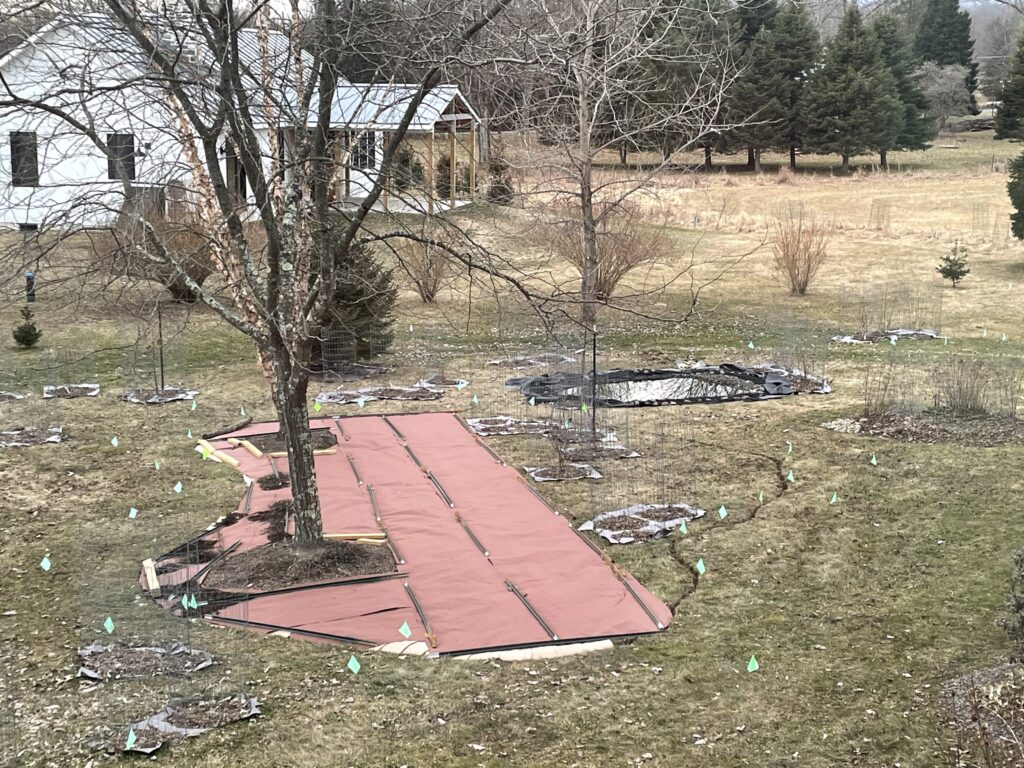
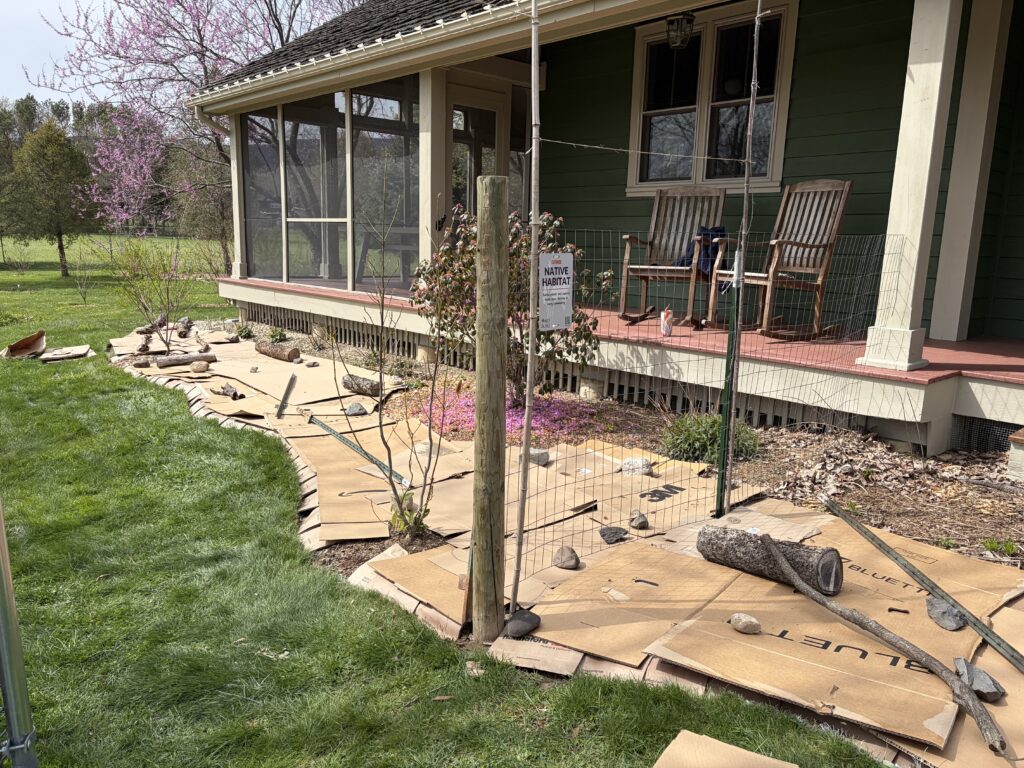
I started by smothering the grass with large rolls of paper and waiting for time to do the work.
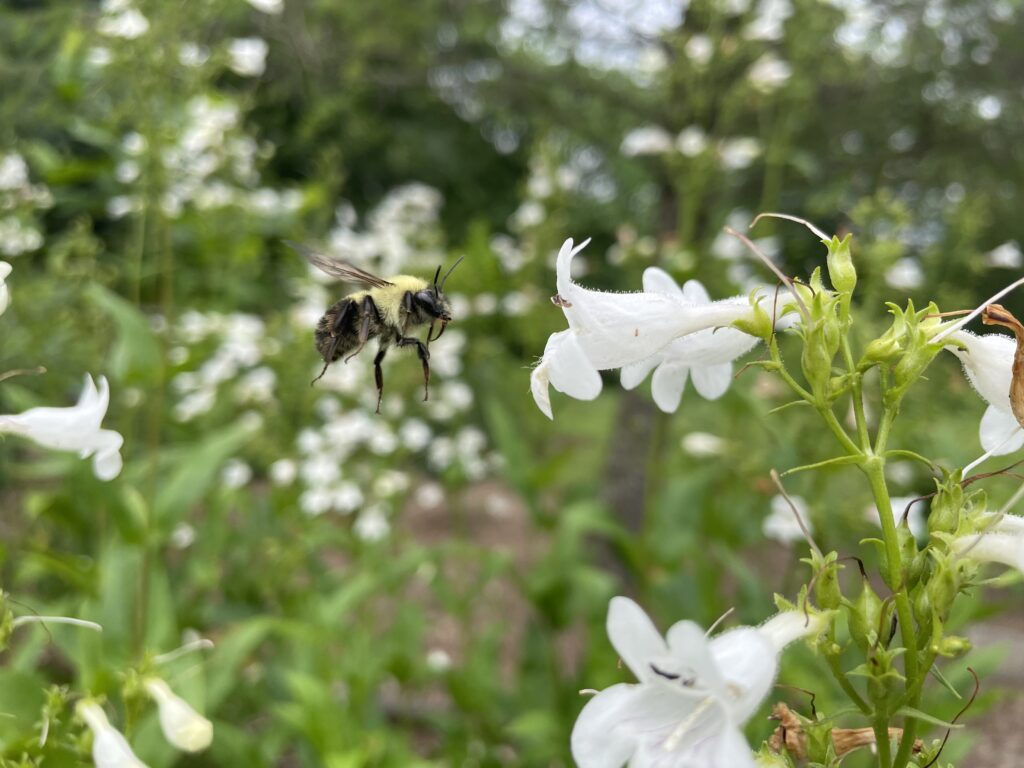
The following fall, I planted roughly 500 native perennials as landscape plugs. These tiny plants measured only a few inches across, but they offered three major advantages: low cost, high survival rates, and surprisingly rapid growth.
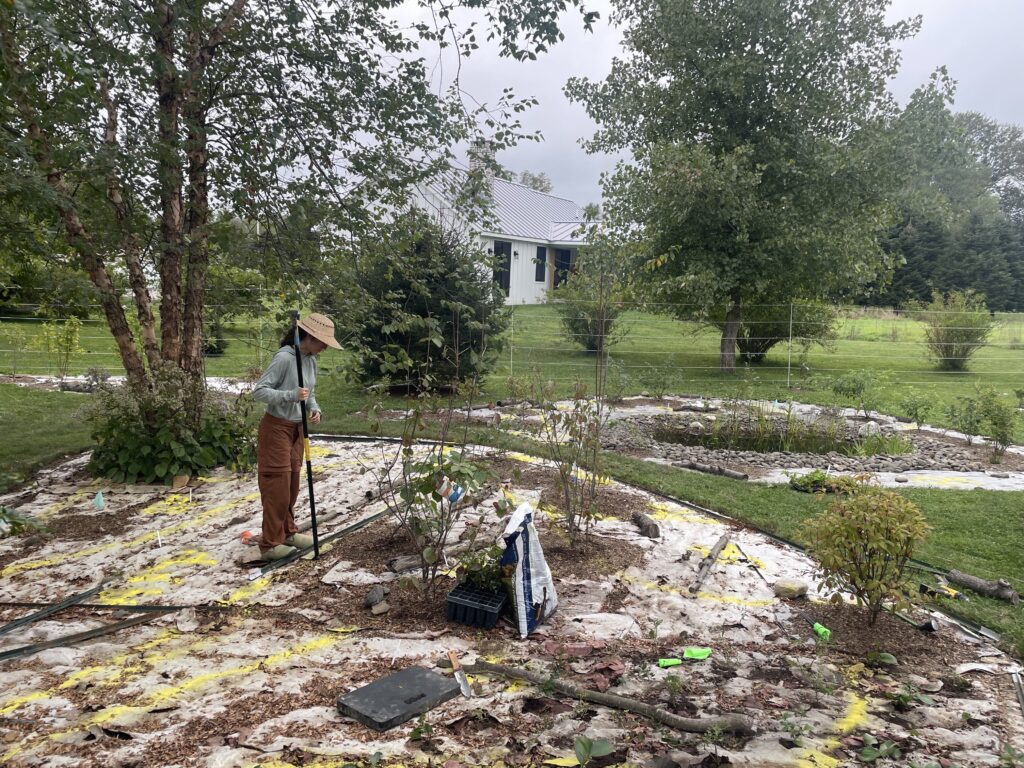
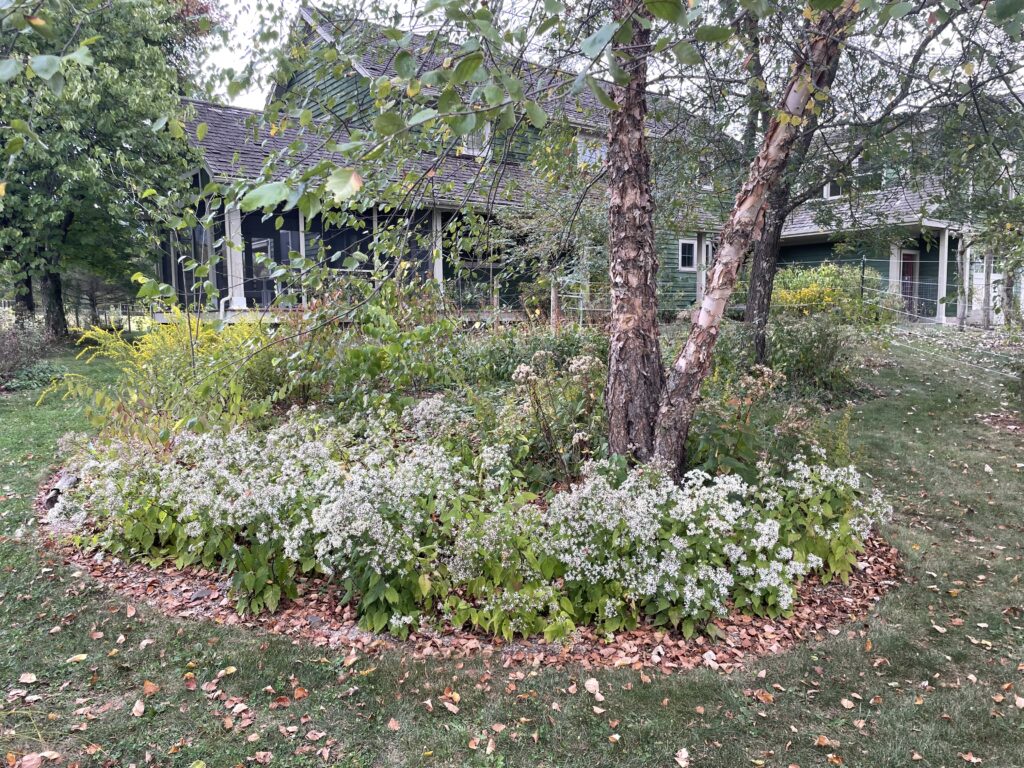
One year later, goldenrods, asters, and penstemon had already begun creating a thriving woodland understory.
Building a Hedgerow
While mature canopy trees dominated the property, shrubs and understory trees were largely absent.
To restore that missing layer, I planted a mixed hedgerow of native shrubs and small trees.
Most of these plants arrived as bare-root seedlings—little more than sticks with roots attached. Freshly planted, they looked almost comically small.
A year later, many had exceeded my expectations.
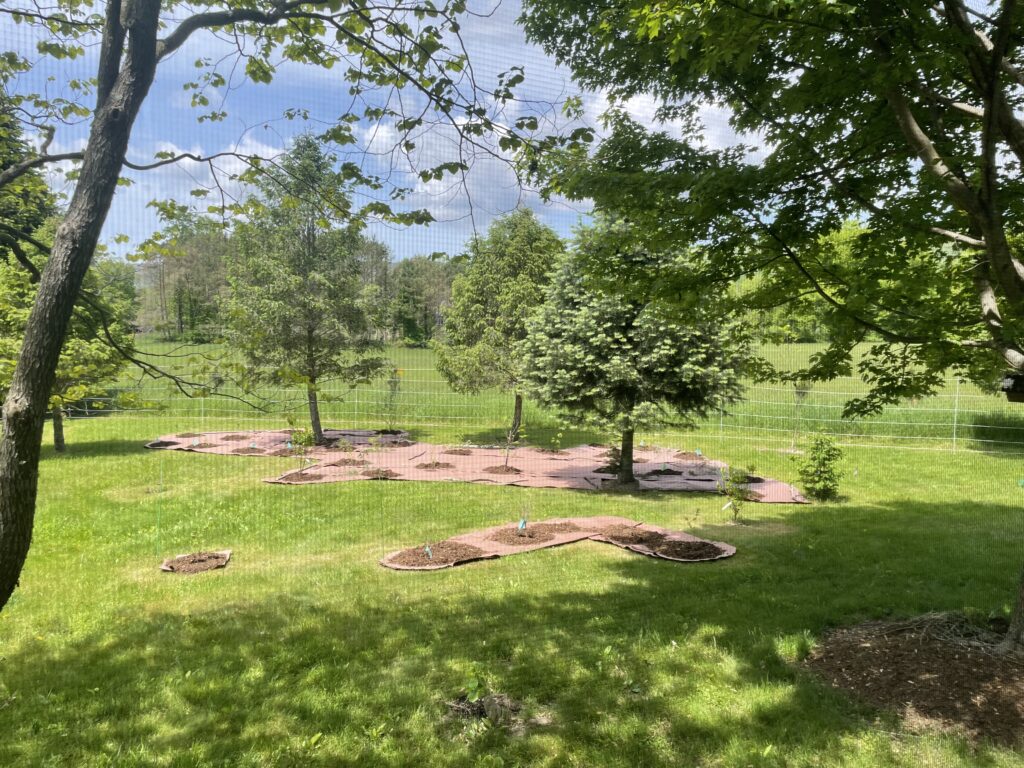
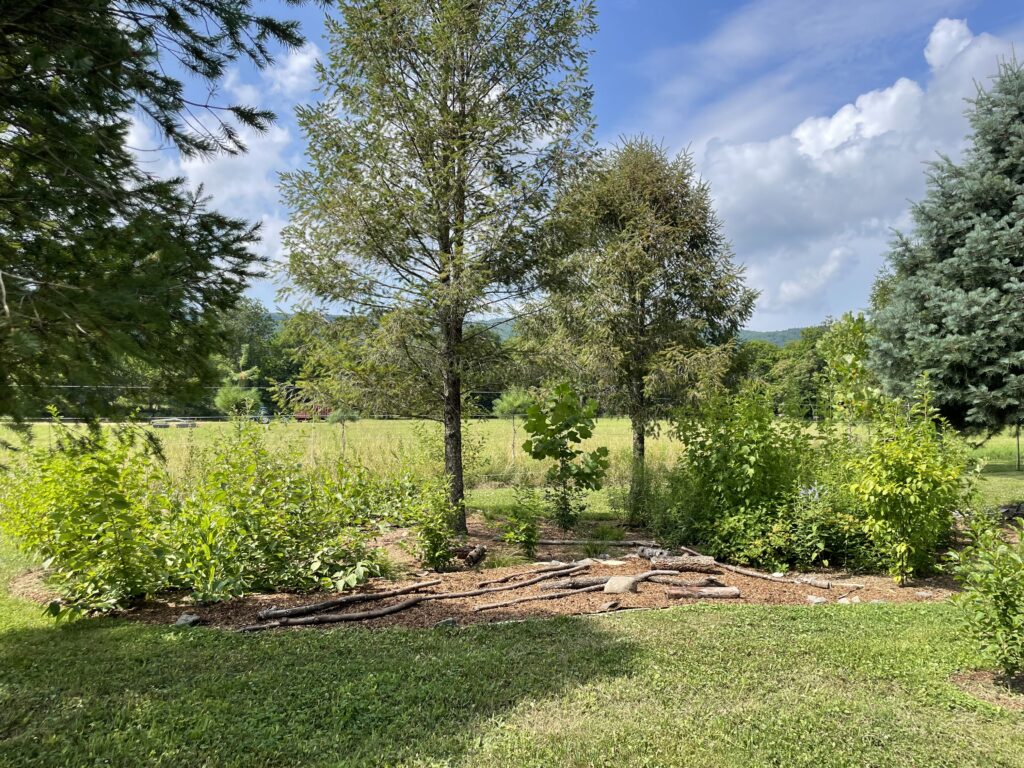
The hedgerow now provides structure, flowers, berries, and critical wildlife habitat. It is also the site of one of my favorite garden discoveries.
One day I found a Spicebush Swallowtail Caterpillar on – you guessed it – a Spicebush leaf. The next day, I looked for the caterpillar again and found that it had changed color to perfectly camouflage with its leaf! What a surprise to not only find this creature but get to witness its almost magical powers.
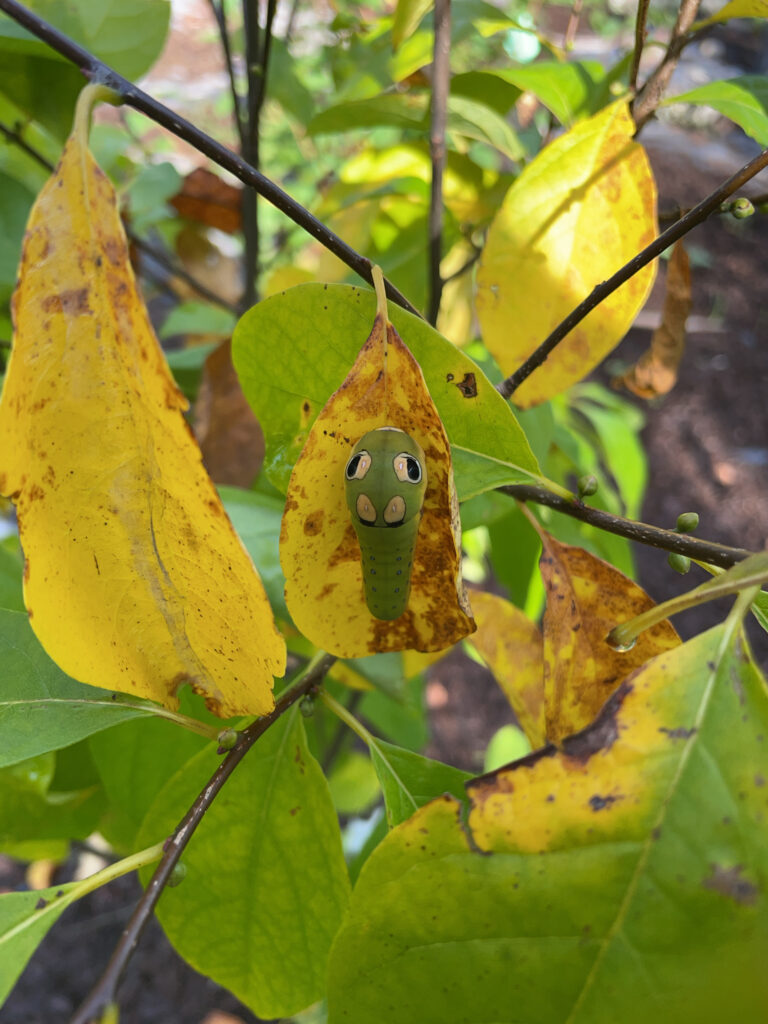
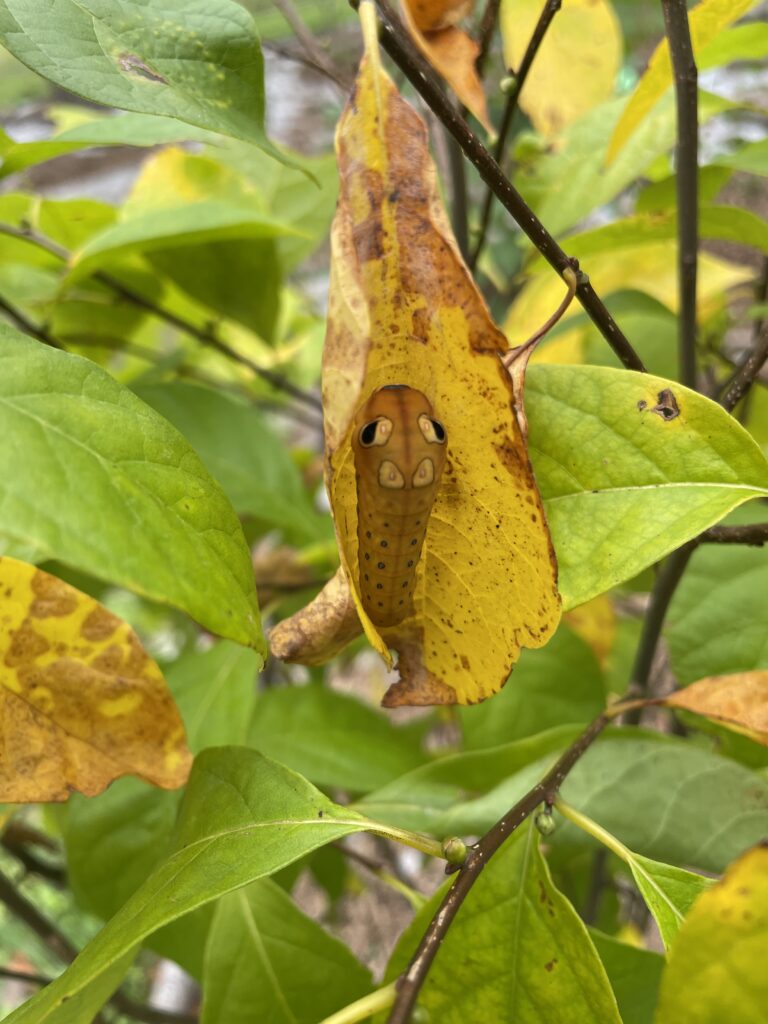
Moments like that remind me why I garden with native plants. These specialized relationships evolved over thousands of years, and witnessing these ecological processes in action feels deeply rewarding.
Digging a Pond for Frogs
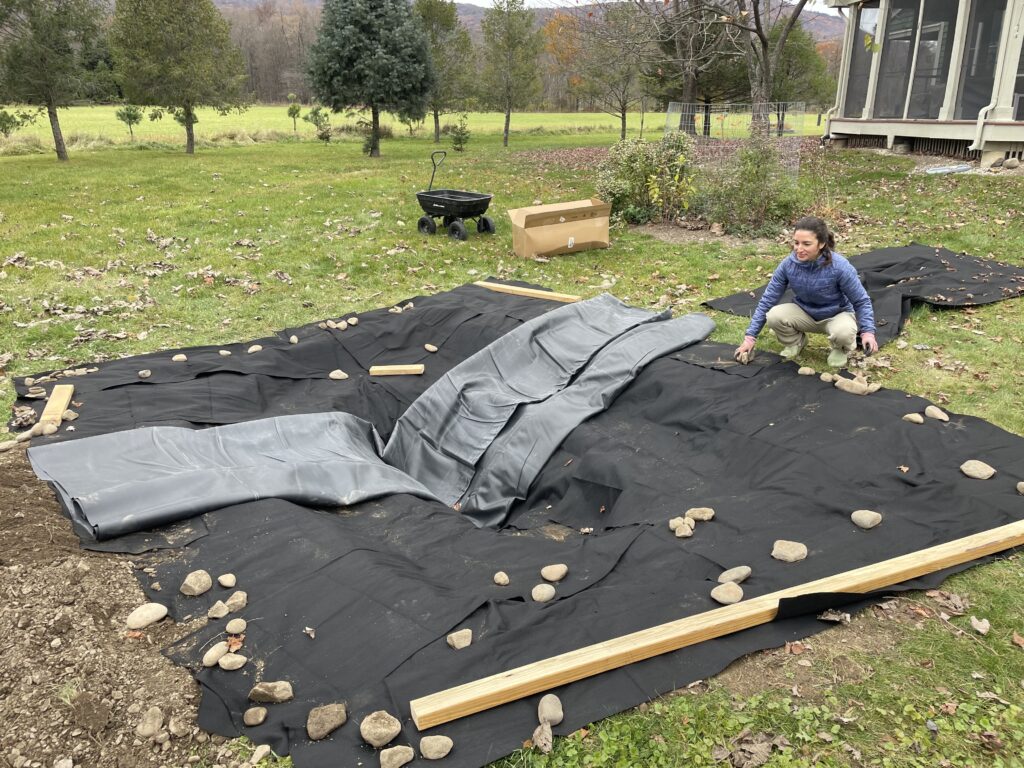
The most whimsical lawn replacement project was undoubtedly the pond.
Inspired by an overdose of British gardening shows, I wanted to create a natural pond specifically for amphibians. That goal ruled out fish, pumps, waterfalls, filters, and chemical treatments.
Instead, I followed the principles of a natural wildlife pond, including extensive shallow planting shelves that allow plants to remove excess nutrients from the water. This keeps harmful bacteria and algae at bay.
I hoped frogs and toads would eventually discover it.
They found it much sooner than I expected.
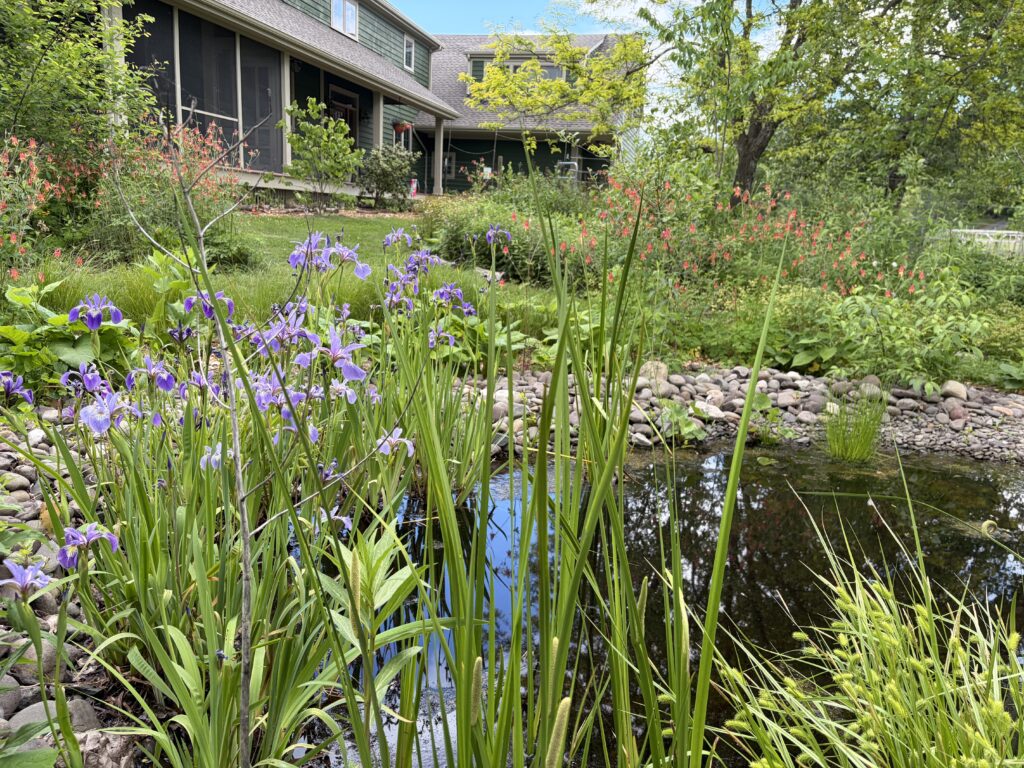
Within months, American Toads were breeding in the pond. Soon afterward, hundreds of tadpoles appeared. Green Frogs followed, along with dragonfly larvae that help control mosquito populations.
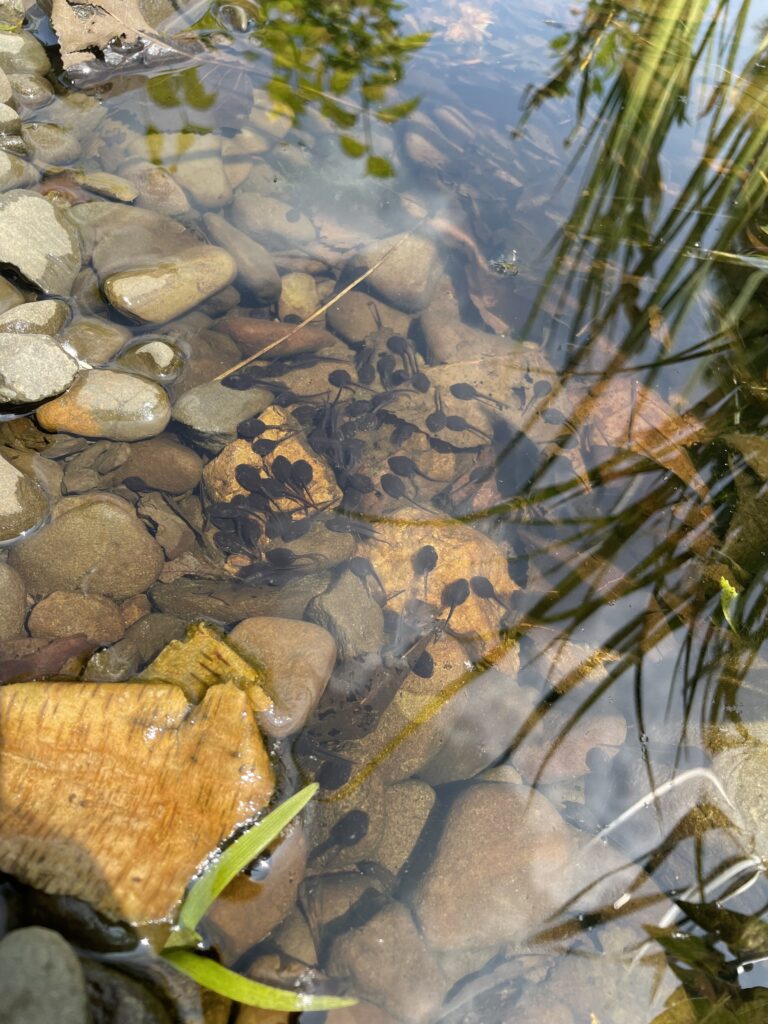
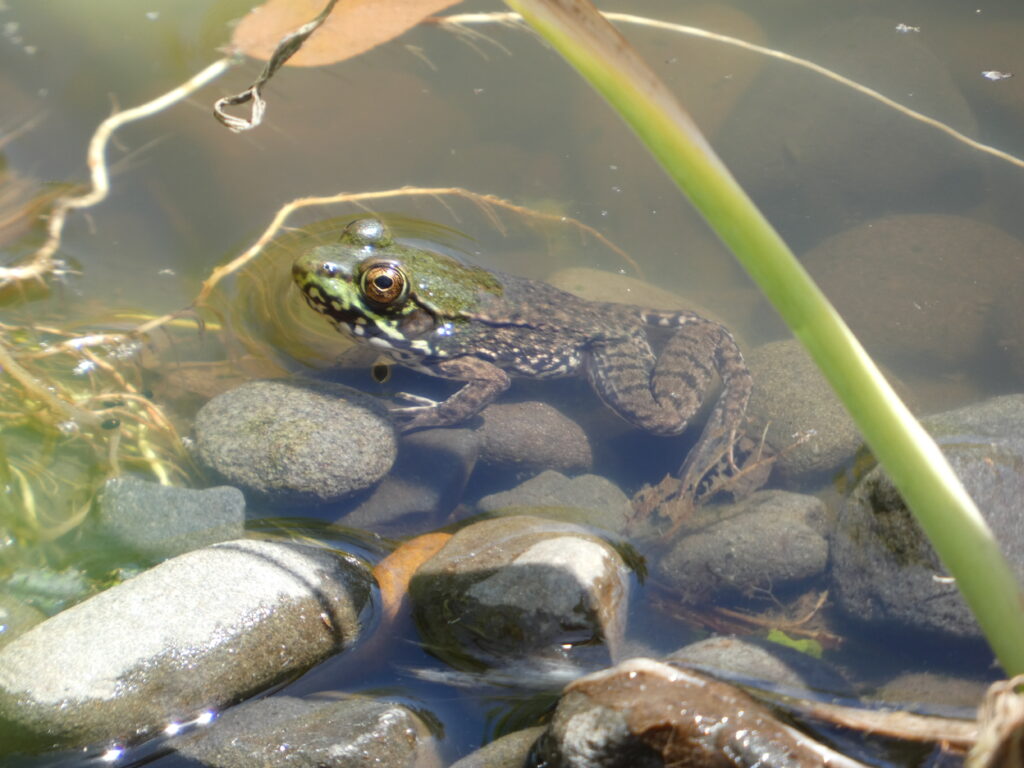
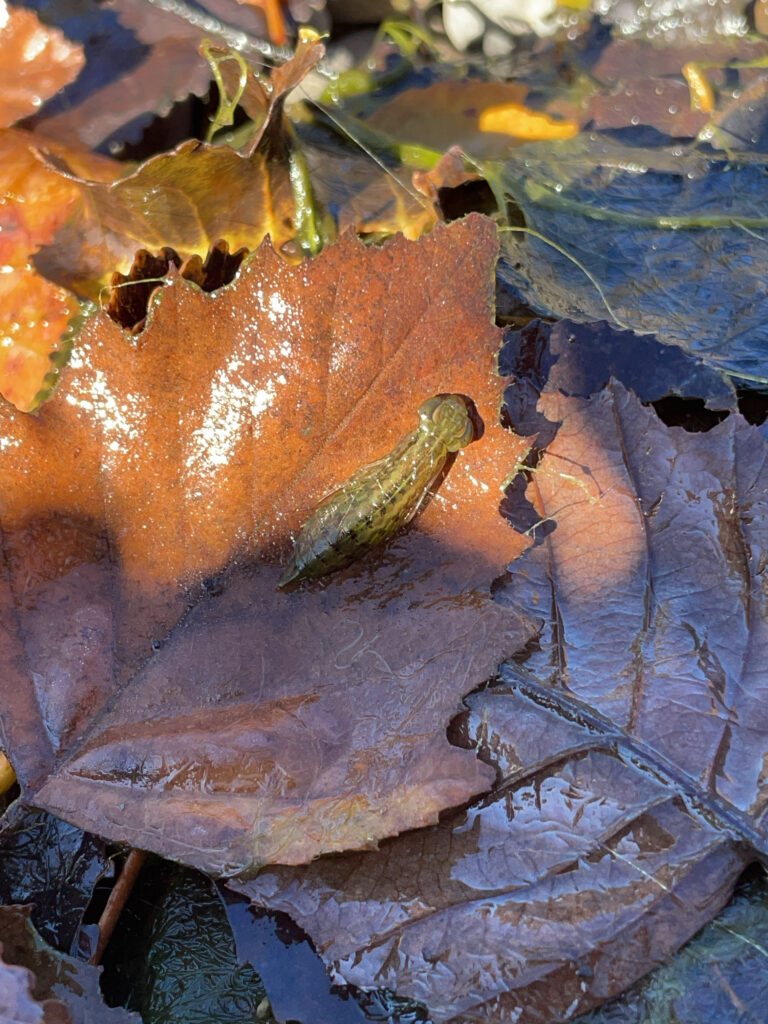
Watching the pond become inhabited remains one of the most satisfying experiences I’ve had as a gardener.
Growing a Meadow
The largest open area behind our house presented a different challenge.
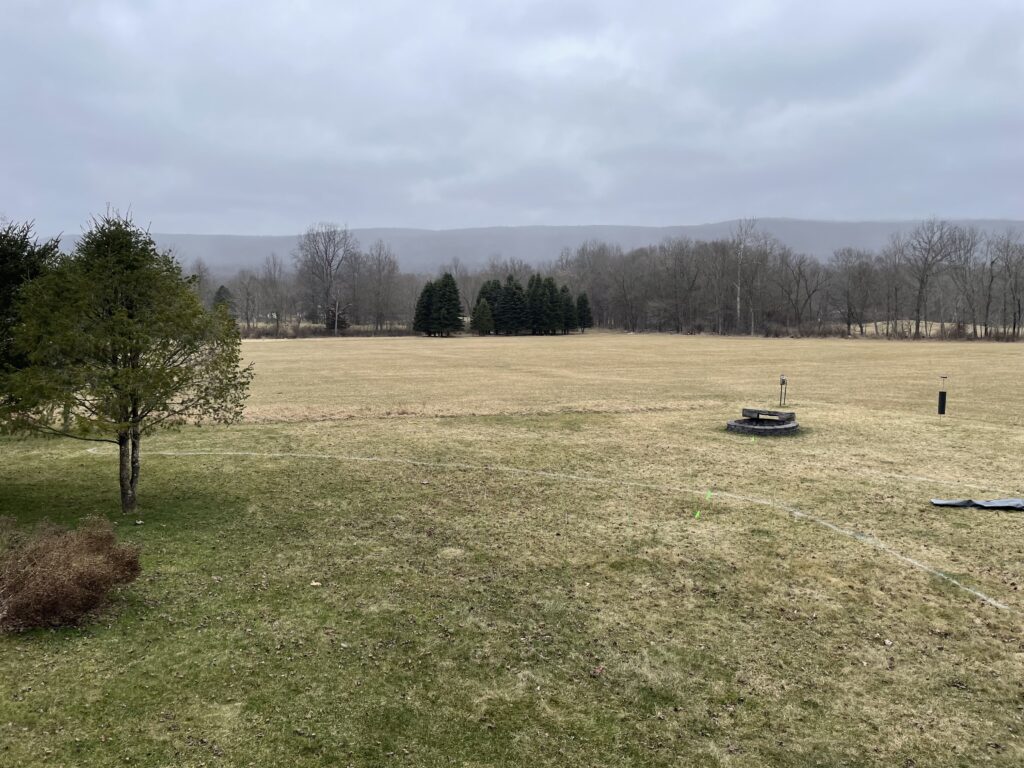
The scale made traditional garden planting expensive and time-consuming, so I chose a different approach: seeding a meadow.
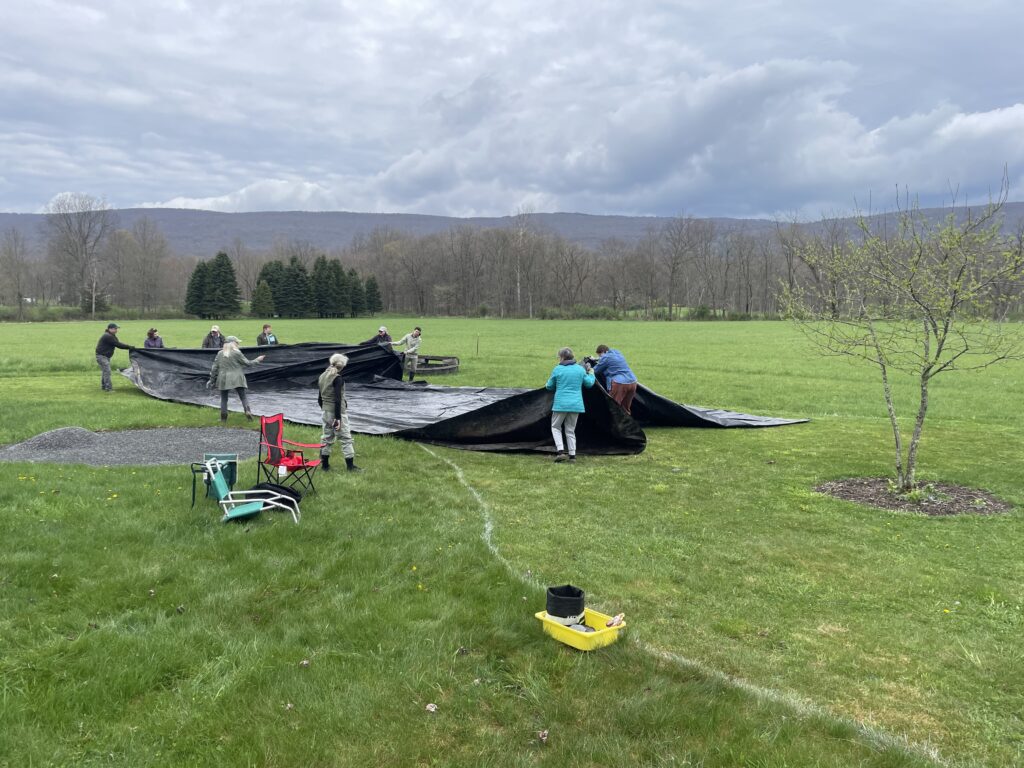
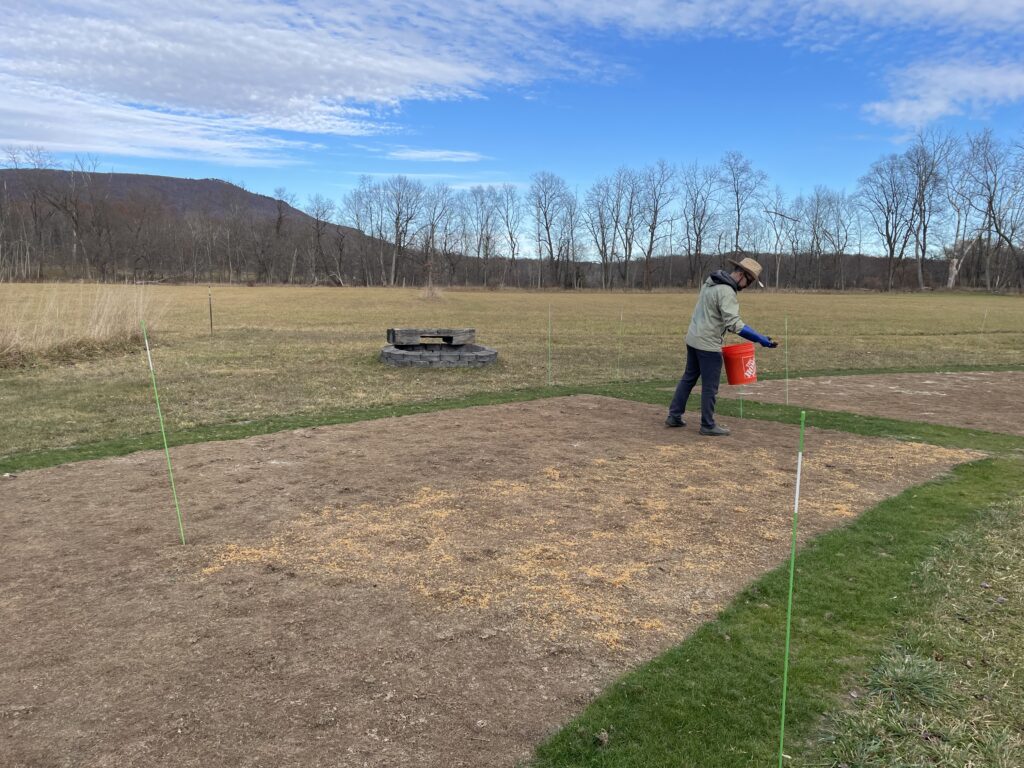
Meadows require patience and management, especially during establishment. During the first year, my husband repeatedly mowed the area to suppress annual weeds while allowing perennial species to develop.
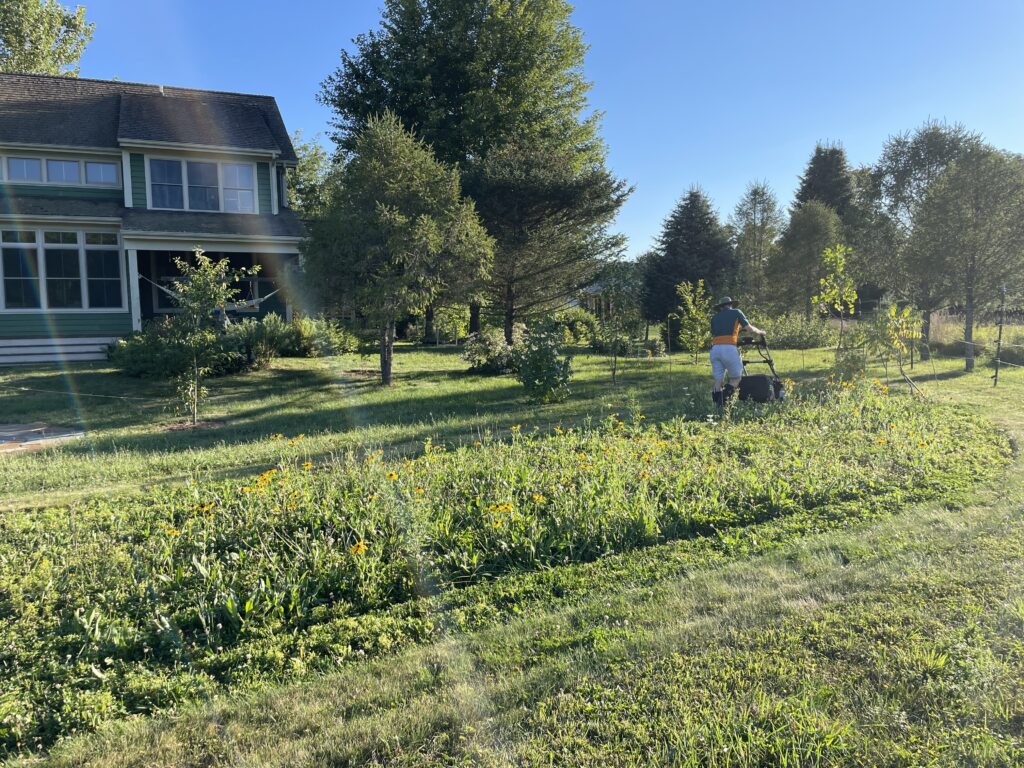
Today, the meadow has become one of my favorite places to explore.
Before, I rarely walked through this area. Now I wander among the flowers looking for pollinators, enjoying seasonal changes, and simply spending time outdoors.
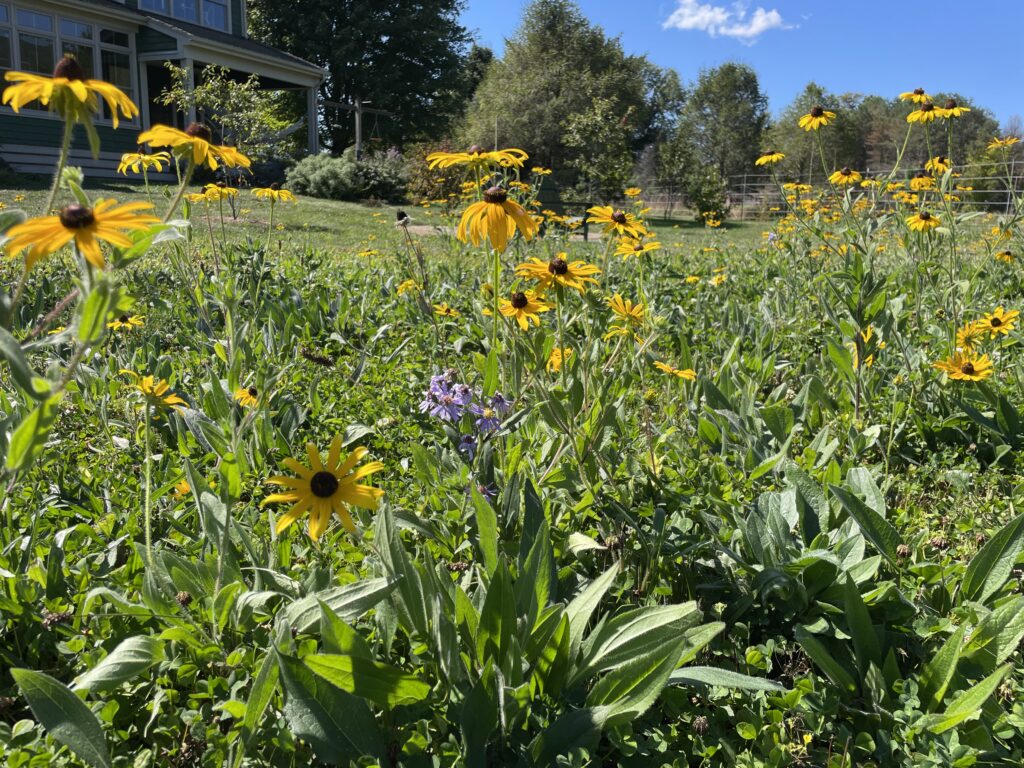
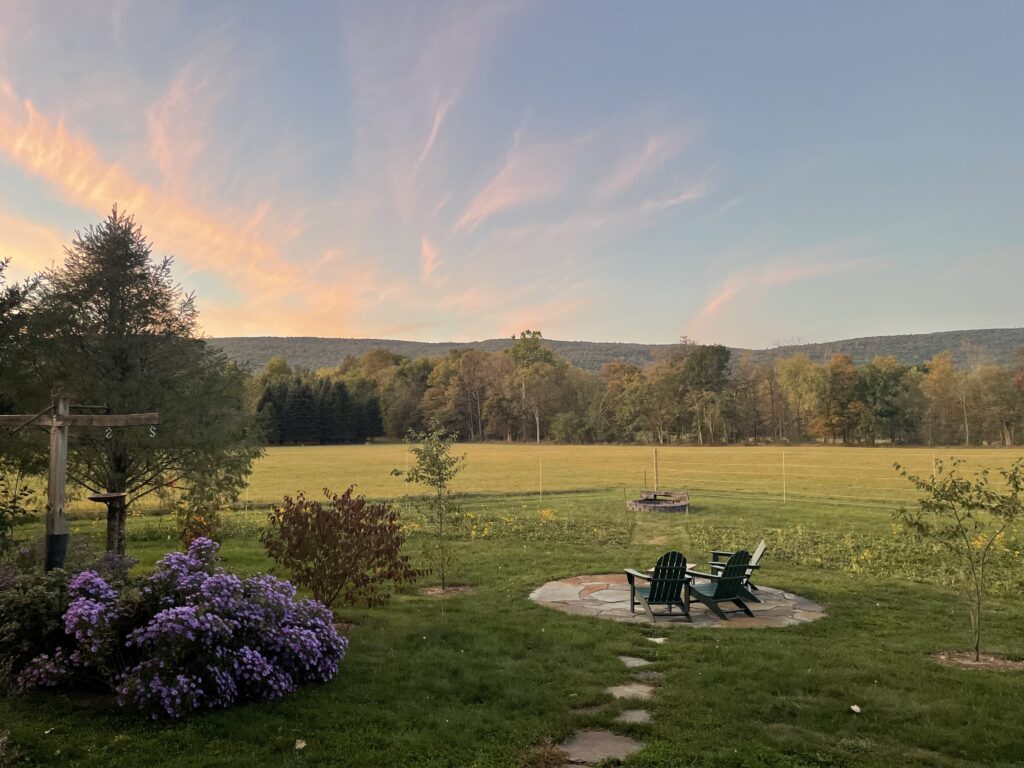
The garden supports wildlife, but it is also for people. It invites us to wonder, linger, and enjoy.
Lessons
One lesson stands out.
Gardening is less about control than influence.
Let me be clear. I am not a wild or even a naturalistic gardener. I don’t let plants – even native ones! – grow wherever they may. I move, divide, and even remove them. I like neat paths and edges. I shape the garden.
But I also allow room for surprise.
The most memorable moments — the frogs, the caterpillars, the hummingbird moths, the unexpected plant combinations — happen when I leave space for nature to participate.
What’s Next?
Like many gardeners, I always have another project.
My attention has recently turned toward a 2.5-acre wetland on our property. Invasive species dominate much of the area, but native goldenrods, milkweeds, and Wild Bergamot still persist.
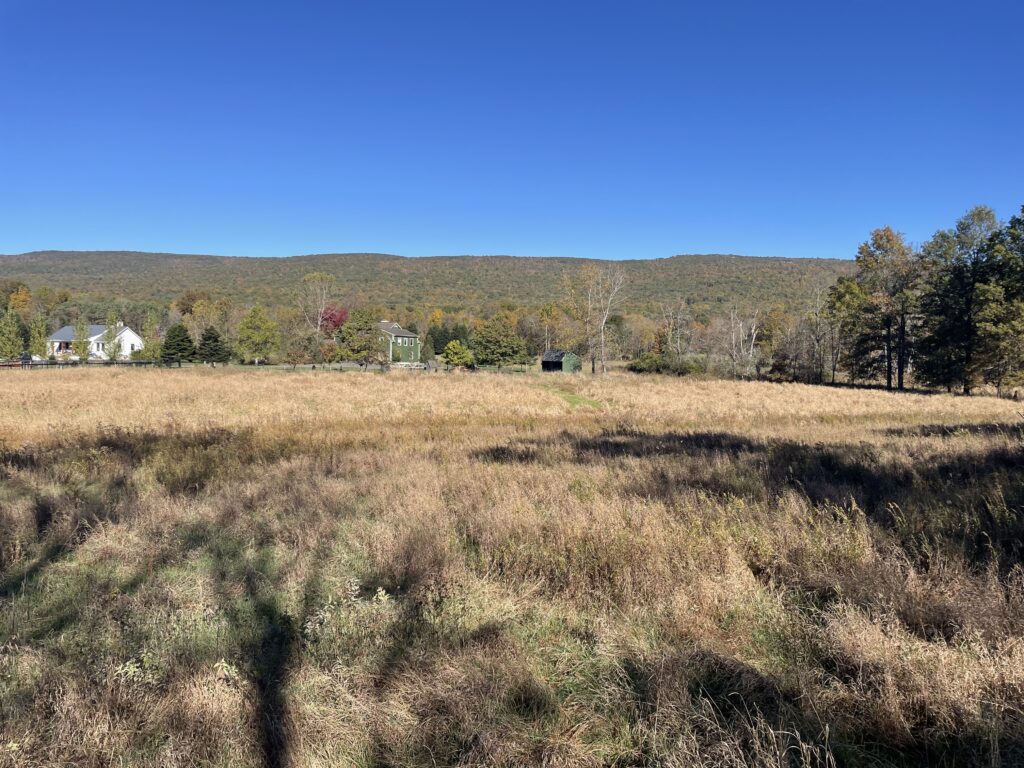
The scale presents new challenges and will require different restoration techniques than the ones I used near the house.
For now, I’ve begun by creating trails and observing.
As I’ve learned repeatedly throughout this journey, observation often comes before action.
And in the meantime, I’ll keep doing what started this whole transformation: smothering a little more lawn, planting a few more natives, and seeing what happens next.

Alexandra Lotero Vanderkam
Alexandra is on a mission to turn her property at the foot of the Shawangunk ridge into a garden for people and wildlife to enjoy. Wild Ones has given her the knowledge and support she needed to follow through with her landscape transformation. Over the last year, she and her husband have planted 140 native trees and shrubs plus 700 perennials, seeded a native meadow, and created a small wildlife pond.
Alexandra is also a Spanish-English interpreter and translator, yoga teacher-in-training, and a New York State Master Naturalist. She volunteers with Ulster Immigrant Defense Network and Phillies Bridge Farm Project.